
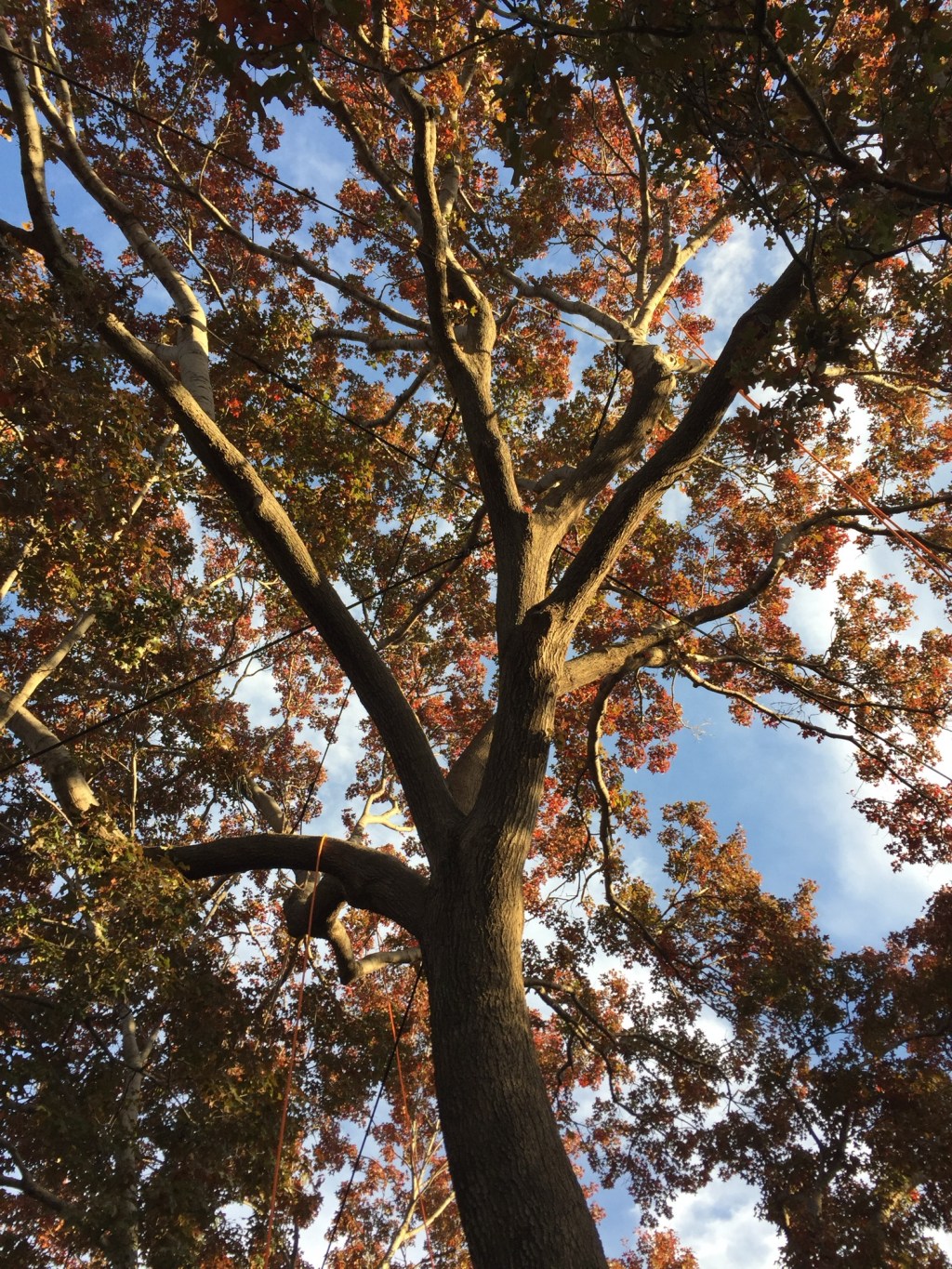
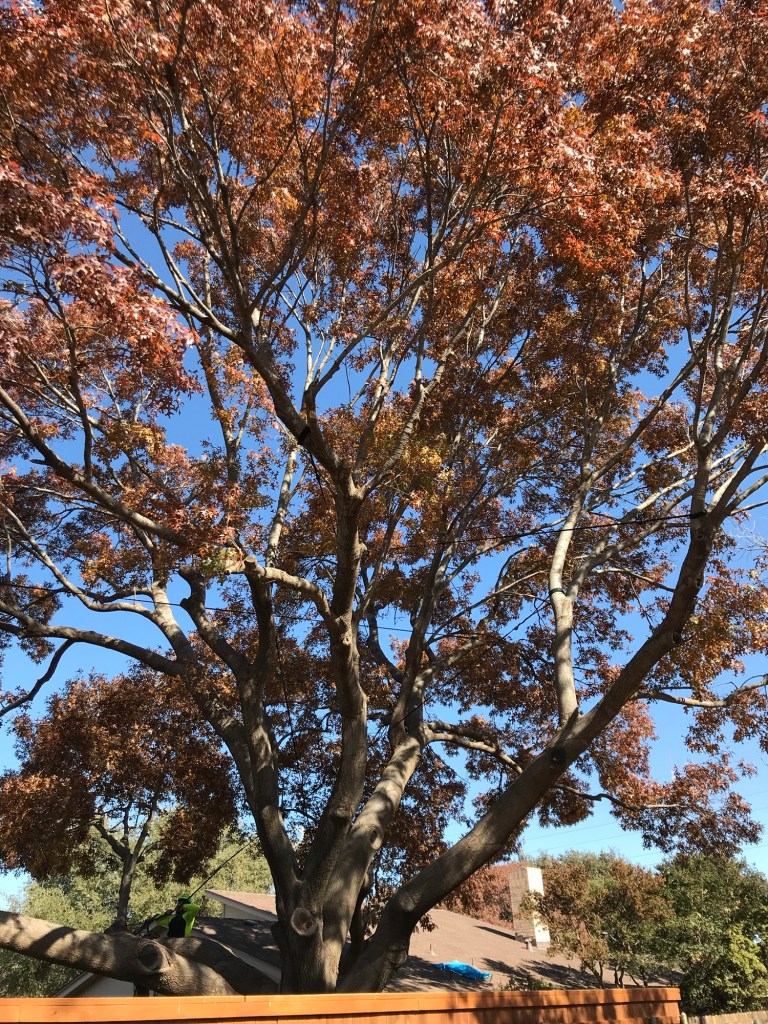
One recommendation that a certified arborist may make to mitigate risk of branches or codominant stems, may be to install a cable or a brace rod into the tree itself.
According to ISA definitions, cabling is the installation of steel or synthetic cables to support weak branches or branch unions. A brace rod is a rigid metal bar also used to support weak sections or crotches of a tree.
These may help reduce the risk but ultimately will not eliminate the risk associated with the specified parts.
In the past when I would visit sites as a sales arborist I would often come across cables and rods that were placed years prior. Some were recent but typically had been installed in the past 5-10 years.
I started to realize and become frustrated at the quantity of cables that were in my opinion installed incorrectly or haphazardly.
When I brought this up to the head arborist I was working under at the time (a 15 year certified arborist). He typically would respond with justifications for why they were done below industry standards.
As it turned out, as the lead arborist and owner of the company he would bid and sell the jobs then send his subcontractors to do the work and make installations.
That’s pretty common for many tree businesses in my area. He would say things like “my subs have been doing this for 15 years”, which doesn’t mean they were ever properly trained and he made it clear that they were not worth investing training into.
He actually had a hard time communicating with his subcontractors since they were primarily Spanish speaking and he relied on hand gestures to point at things and “communicate”.
The final straw was when I had sold a cabling job that the customer had trusted us to install correctly for his heritage live oak. Later that day I got a call from a discontented customer who just happened to be an engineer.
The subcontractor had made a pretty serious mistake in the installation by not keeping straight angles from anchor to anchor. Instead, one of the cables and anchor had a significant bend or elbow at the point of attachement.
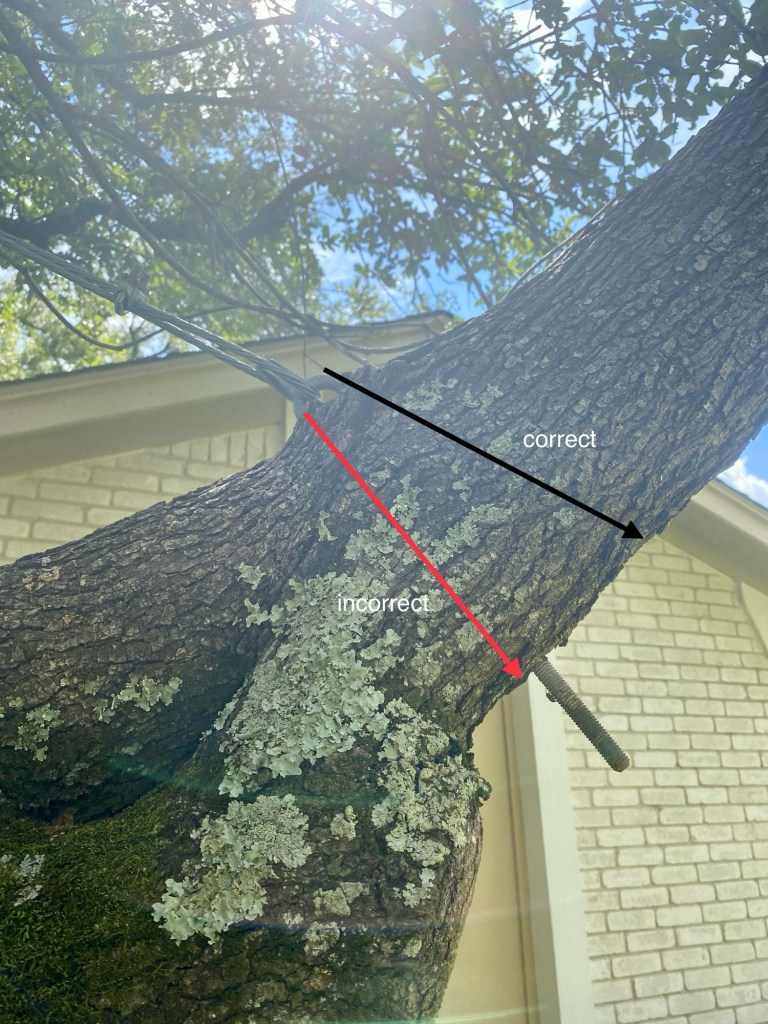
The customer knew what we were also taught as certified arborists, proper installation means no bends, elbows or angles in these anchors in order to not jeopardize their load bearing capacity.
While the 3 of us met onsite, we all knew the problem. However, the lead arborist and owner of the company refused to admit fault and instead gave the customer vague justifications of the work. The customer knew better and in my head sided with him but in the moment I really couldn’t call out my boss.
I couldn’t believe it but would soon realize this was the trend for how he ran his business. I certainly didn’t become certified to do work like that and do a disservice to my customers.
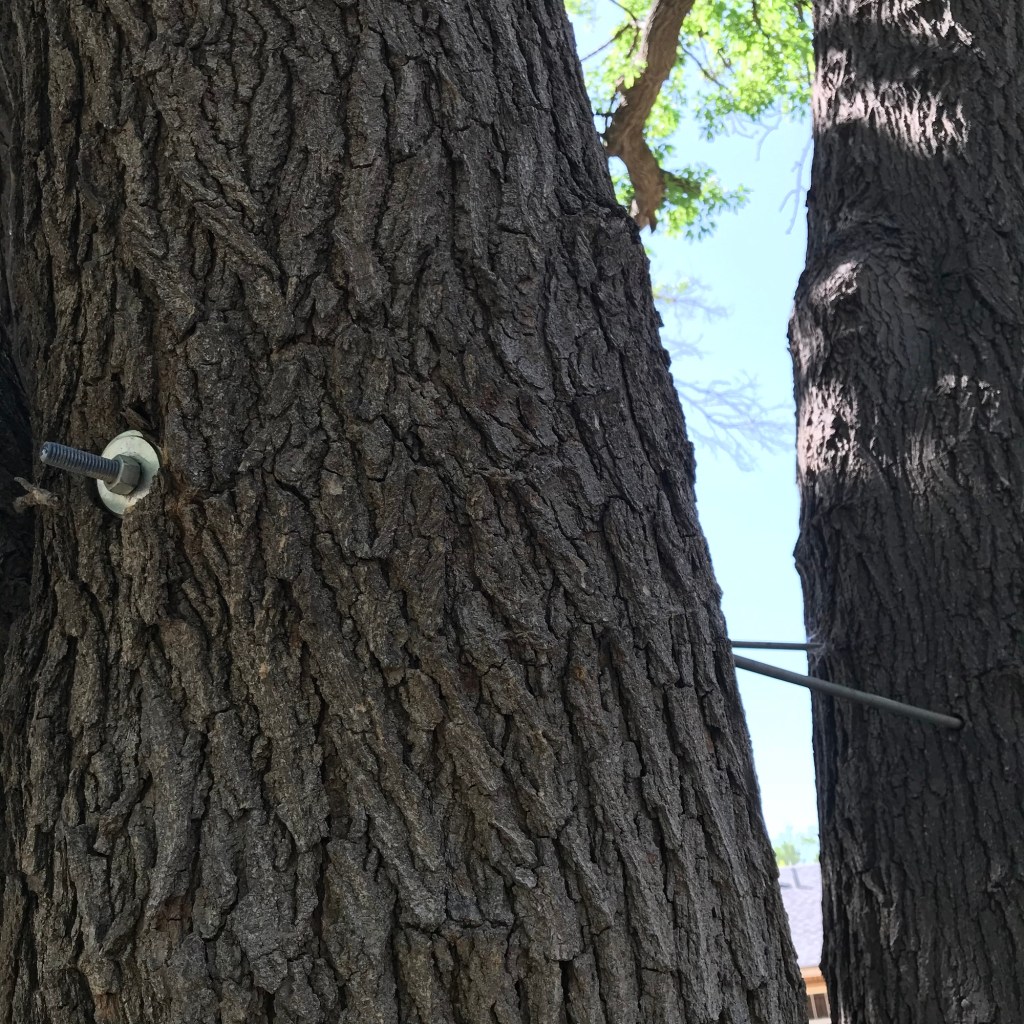
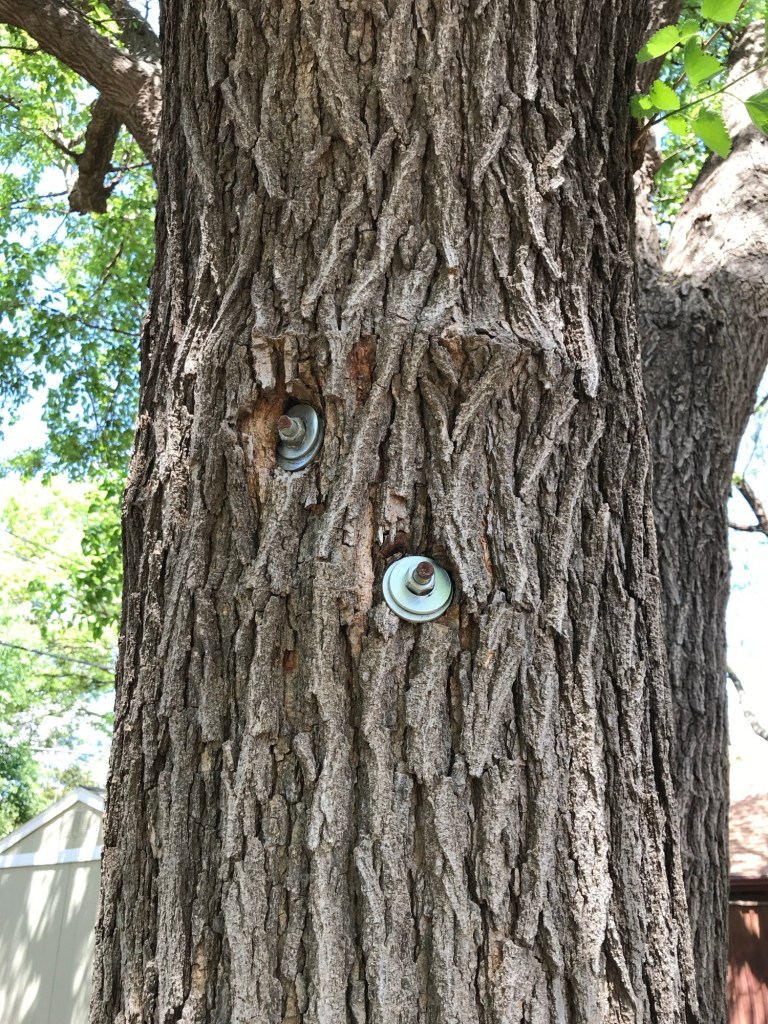
Another observation I had was that many rods were not being cut to proper length or were not being cut to appropriate lengths nor “peened” (hammered at the ends) at all.
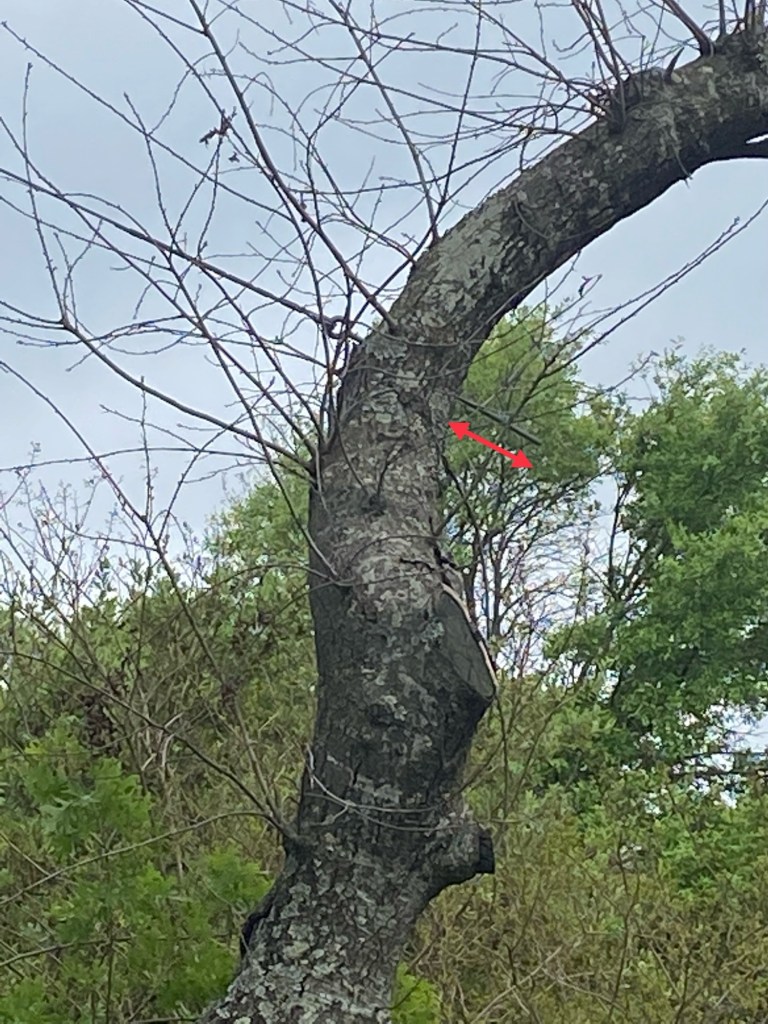
If placed low enough these can be harmful to pedestrians who may not notice a 12 inch rod hanging out of the tree. This can also be harmful for climbers accessing the tree or if they were to slip and potentially make contact with the rod.
Cutting the rod to an appropriate length and peening the edges will allow for the tree (if it vigorous enough) to develop reaction wood and eventually compartmentalize the wound/installation.
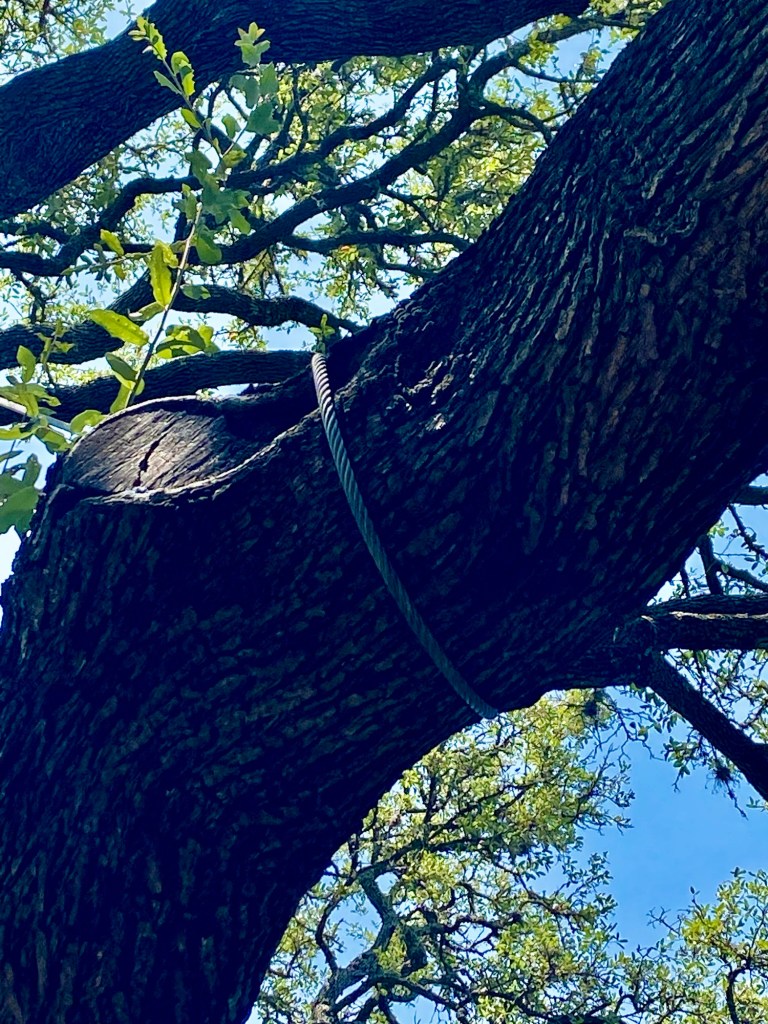
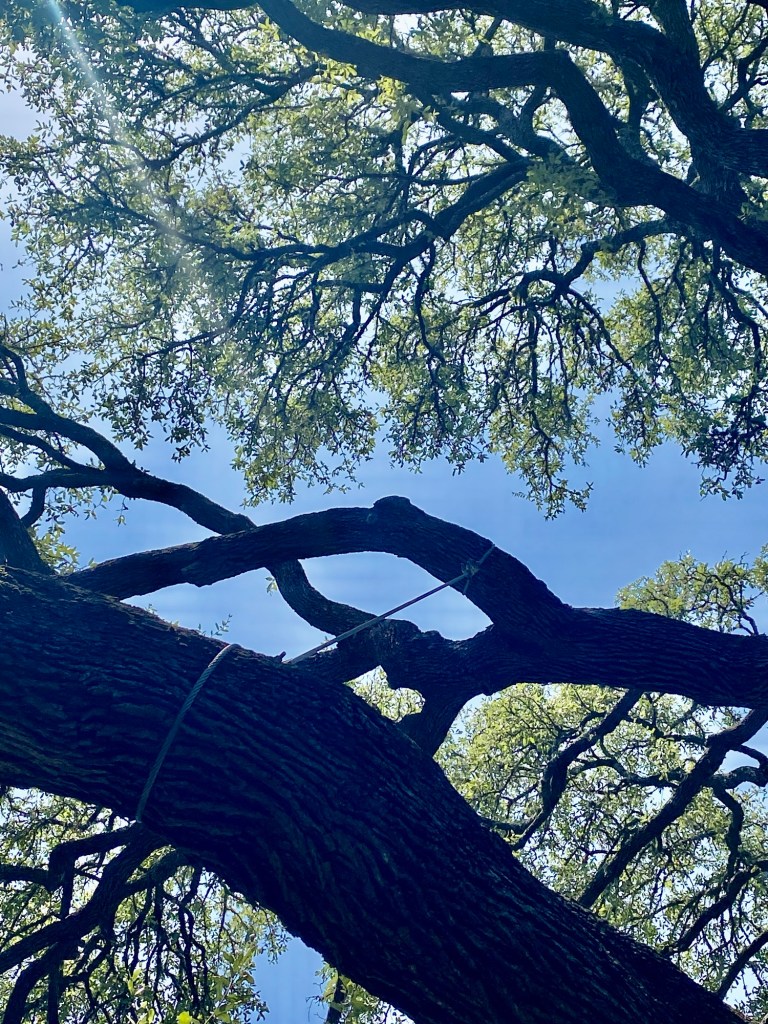
Yet another observation and seemingly common cabling style with extra-high strength (EHS) cables, were where the cables that “girdled” the limb they were trying to protect.
Although these cables are used in the industry they are used with anchor hardware; such as, amon eye nuts, drop forged eye bolts or lag hooks/j hooks and lag eyes.
Anchoring around the limb kind of defeats the purpose of trying to extend the longevity of the limb. When done improperly they also fail to add any risk mitigation and could potentially become more dangerous if the tree part has an additional load.
To girdle a limb signifies that a root/cable/object is encircling part of the trunk, branch or roots and can constrict the vascular tissue and can inhibit secondary growth and the movement of water and photosynthates.
This can also deform the branches or trunk and once the material becomes embedded, it can be extremely difficult to extract without causing significant damage to the tree part itself.
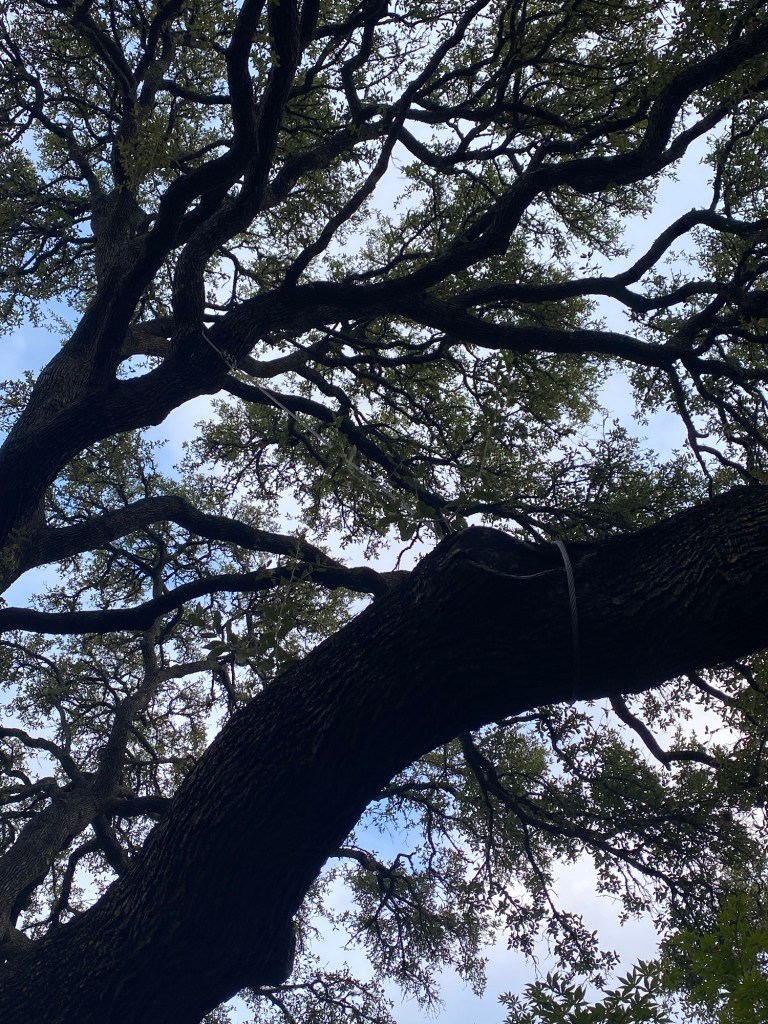
The hardest part of these making these observations is knowing that they could be avoided with training and an understanding of industry standards.
One such method that I like to recommend for my customers is to use synthetic dynamic cables. These cables can provide more flexibility and are just as strong as the extra-high strength (EHS) cables.
Although they do wrap around the branch they often have a non abrasive sheath that protects the synthetic (braided) line and the bark of the tree. The sheath is also broad/wide in order to not dig into the the bark and pinch the sensitive area of meristimatic growth as mentioned above.
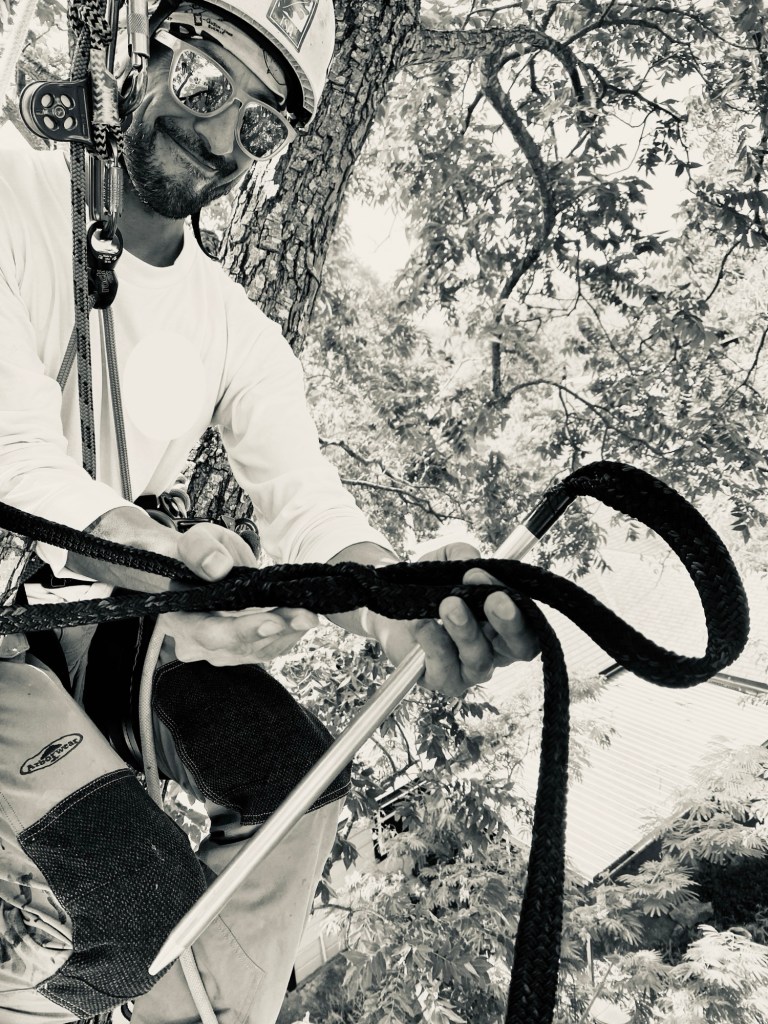
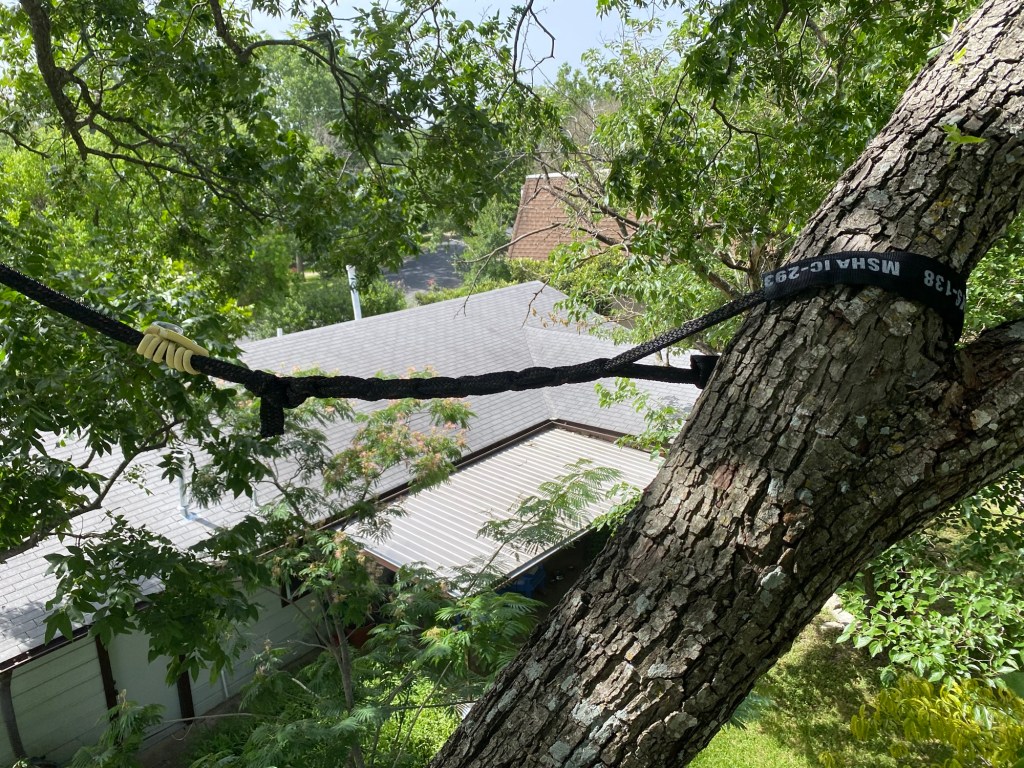
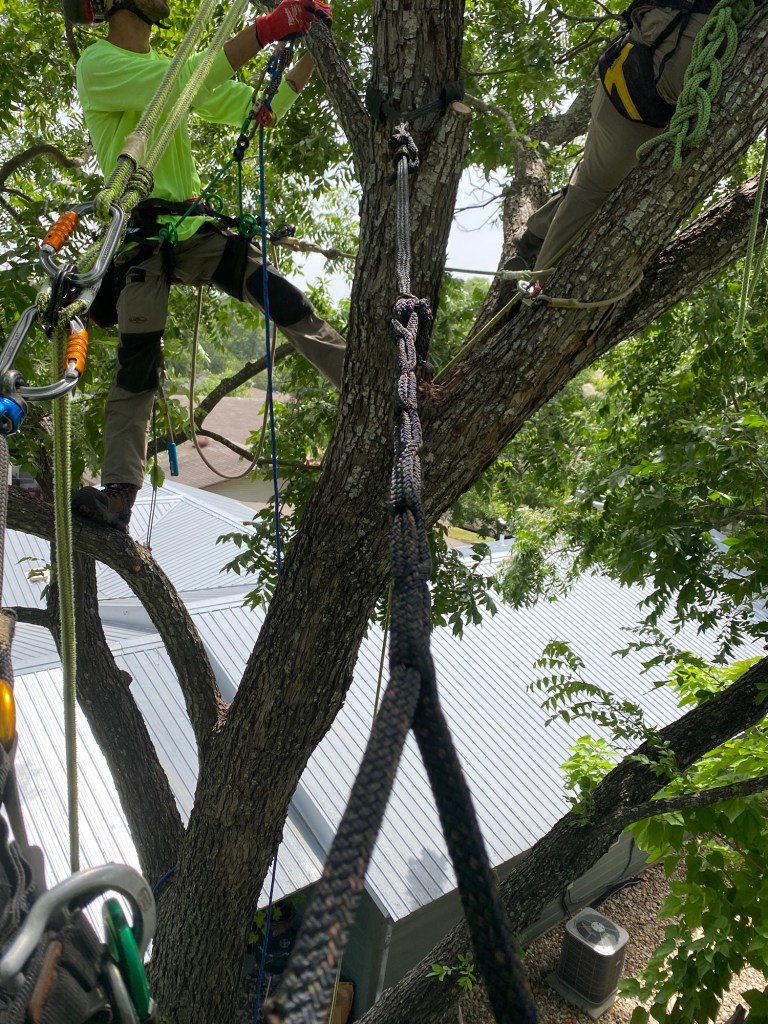
Another benefit of this method is that you avoid drilling which can open a wound that could potentially lead to infection or decay. This is usually my recommended way for risk mitigation of certain branches. Sometimes, it is not always sensible to utilize only this technique.
Overall, I strongly believe that the standard can be higher in my own community based on the examples I have come across in Austin.
As certified arborists I believe it is our duty to follow the standard of care. As a tree risk assessor it is my goal to help educate tree owners, managers and guide them to the appropriate resources so that we may all be better stewards of our collective canopy. Indeed it is a community effort.
This post is based on my own field observations and professional experience. I typically paraphrase knowledge from my understanding of ISA concepts and resources I’ve read. I certainly don’t know it all and as always welcome any constructive criticism from fellow arborists to anything I have said here.
Thank you for taking the time!
 Big Tree Shady City
Leave a comment